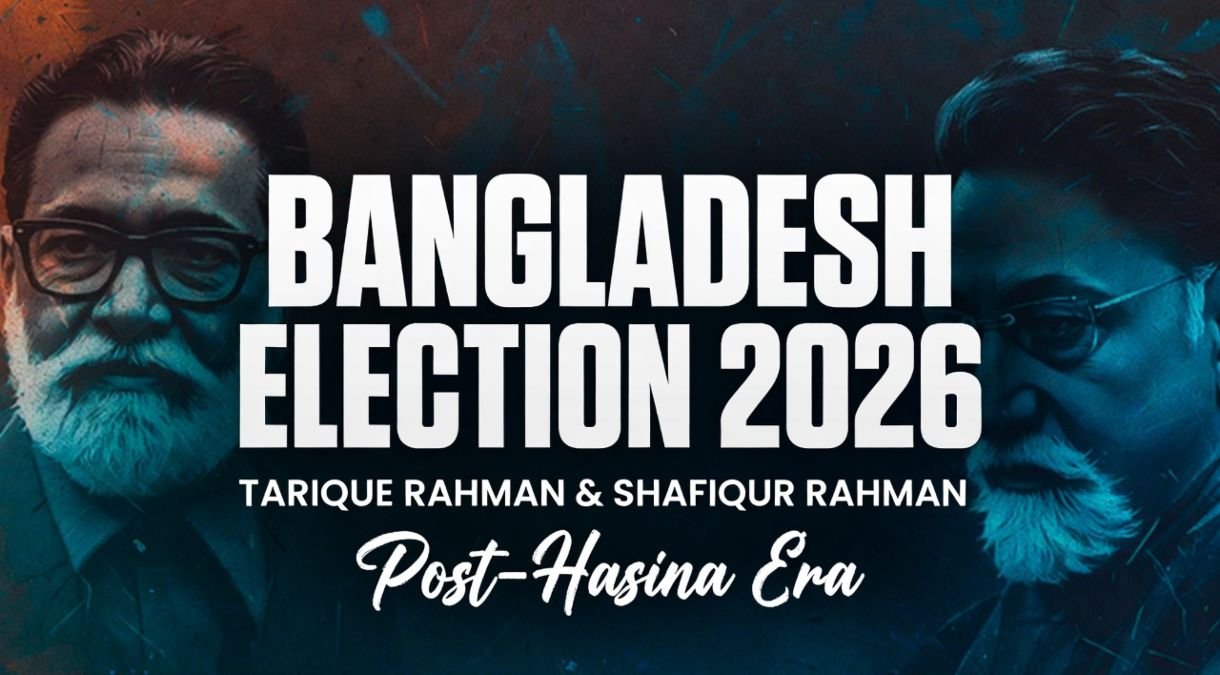
Bangladesh is standing at an important moment in its history. The country is preparing to vote on February 12, 2026. This is the first major election after former Prime Minister Sheikh Hasina left power in 2024.
For many people, this election is not just about choosing leaders. It is about hope, justice, and the future of democracy. After years of protests and political tension, citizens are asking one big question: Can this election bring real change?
Let’s understand what is happening and why this vote matters so much.
What Happened After Sheikh Hasina Left Power?
In 2024, large protests took place across Bangladesh. Many people, especially students, demanded fair elections and more democracy. They accused Sheikh Hasina’s government of controlling elections and limiting freedom.



After months of unrest, Hasina left office. An interim government was formed under Nobel Prize winner Muhammad Yunus.
Now, the Bangladesh Election 2026 is the first big test of this political change. People want to see if the country can move forward peacefully and fairly.
Main Political Parties in the Election
With the Awami League no longer in the race, other parties are competing for power.
1. Bangladesh Nationalist Party (BNP)
Leader: Tarique Rahman
The BNP is leading a large coalition. Tarique Rahman, son of former Prime Minister Khaleda Zia, has returned from exile. The party promises economic reforms and action against corruption.
2. Jamaat-e-Islami Alliance
Leader: Shafiqur Rahman
Jamaat-e-Islami is leading another alliance that includes smaller parties and youth groups. They talk about welfare programs and social reforms, but some citizens worry about possible conservative policies.
3. National Citizen Party (NCP)
Leader: Nahid Islam
This youth-focused party supports reform and political change. It is part of the Jamaat-led alliance.
More than 1,900 candidates are contesting 300 seats in parliament. However, the main competition is between BNP and Jamaat’s alliance.
What Is at Stake?
This election is very important for several reasons:
1. Democracy
Many past elections were criticized as unfair. People want a transparent and peaceful voting process. A fair election could rebuild trust in the political system.
2. Economy
Bangladesh’s economy has faced problems after the political unrest. Inflation is high, and job opportunities have decreased. The new government must focus on economic recovery and job creation.
3. Women’s Rights and Minority Safety
Some activists worry that certain freedoms may weaken if conservative forces gain power. Many citizens want to protect rights for women and minority communities.
4. Relations with Other Countries
India and other neighboring countries are watching closely. The new government’s policies could affect regional relations in South Asia.
5. The July Charter Referendum
Along with the election, people will vote on proposed reforms. These include term limits for leaders and stronger checks on power. If approved, these reforms could strengthen democracy.
Security and Voter Participation
Security is very tight across the country. Thousands of polling stations are being monitored by cameras. Police and security forces are deployed to prevent violence.
More than 127 million people are eligible to vote, including many young voters. Youth participation is expected to be high because young people played a major role in the 2024 protests.
Voter turnout is expected to be much higher than previous elections.
Opinion Polls and Predictions
Recent opinion polls suggest that the BNP may win the largest number of seats. Some surveys predict strong support for the party. Jamaat’s alliance is also expected to gain significant seats.
However, opinion polls are not always accurate. The final results will depend on voter turnout and last-minute decisions.
Challenges Before the Vote
There have been reports of political clashes and tension between rival groups. Some minority communities have reported concerns about safety.
The interim government has promised a peaceful transition of power after the election results are announced.
Despite the tension, many people remain hopeful. Citizens want stability, fairness, and a better future.
Conclusion
The Bangladesh Election 2026 is one of the most important elections in the country’s recent history. After years of political conflict, this vote offers a chance for renewal.
Whether BNP, Jamaat’s alliance, or another group wins, the true success of this election will be measured by how fair and peaceful it is.
For millions of Bangladeshis, this is more than an election — it is a chance to build a stronger and more democratic nation.
FAQ
Q: When is the Bangladesh Election 2026?
A: Voting will take place on February 12, 2026.
Q: Who are the main political parties?
A: The main contenders are the Bangladesh Nationalist Party (BNP) and Jamaat-e-Islami’s alliance.
Q: How many people can vote?
A: Over 127 million people are eligible to vote.
Q: What is the July Charter referendum?
A: It is a vote on proposed reforms such as term limits and stronger checks on political power.
Disclaimer
This article provides general information about the Bangladesh Election 2026 based on publicly available sources. It is for informational and educational purposes only and does not offer political advice. Information may change as official results are announced.